Reforming Governmental Institutions
Reforming constitutional and executive institutions for accountability and performance.
Paper II Unit 2 Philosophical and Constitutional Framework of Government, Unit 4 Union Government and Administration, Unit 9 Financial Management and Unit 10 Administrative Reforms since Independence. Paper I Unit 5 Accountability and Control and Unit 6 Administrative Law.
The Constitutional Relationship
Parliamentary government links the political executive to the legislature through confidence and collective responsibility. The legislature authorises taxation and expenditure, makes law and scrutinises government. The executive sets policy direction and administers laws. Courts decide disputes, protect rights and review legality within their jurisdiction. The organs interact through constitutional checks and institutional procedures.
Reform should identify the decision or remedy that is failing. Weak scrutiny can permit poorly designed laws. Weak executive coordination can leave statutes unimplemented. Delayed adjudication can make rights ineffective. The corrective instrument differs in each case. More judicial intervention, more legislation or more executive discretion can each shift a problem to another institution if the underlying cause remains.
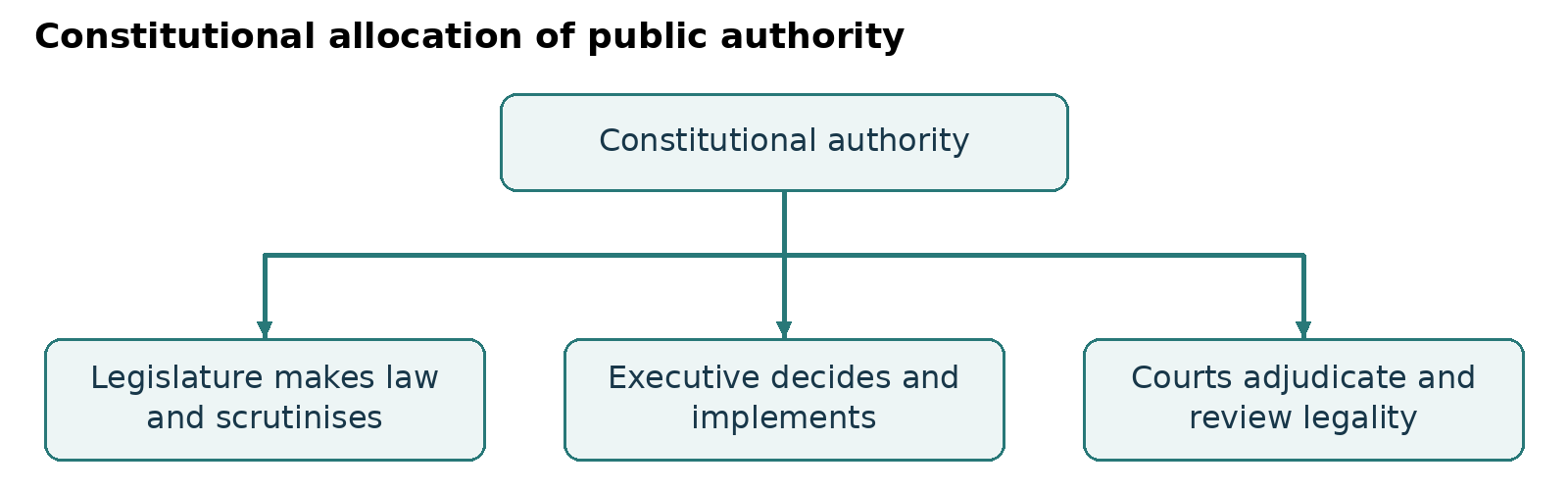
Figure 12 Constitutional allocation of public authority
Legislative Reform
Parliamentary committees make detailed scrutiny possible outside the constraints of floor debate. Department-related standing committees examine matters within their remit, including demands for grants and referred bills. The Public Accounts Committee examines public expenditure and related audit findings. Committee evidence can reveal operational risks and provide a basis for follow-up. Recommendations gain practical value when the executive responds and action can be tracked.
Pre-legislative consultation can expose drafting errors, unfunded duties and distributional consequences. A legislative proposal can be evaluated for the problem it addresses, existing alternatives, expected costs, delegated powers and review arrangements. Consultation needs a realistic timetable and accessible material. The legislature retains responsibility for the enacted decision.
The Tenth Schedule addresses defection and gives the Speaker or Chairman the initial decision-making role under its framework. The stabilising purpose must be assessed against constraints on independent legislative judgement. Proposals to narrow the role of whips or alter the adjudicator are reform proposals. Judicial review provides an additional constitutional safeguard. Criminalisation and conflicts of interest raise related questions about disclosure, integrity and the enforcement of electoral rules.
Reforming the Political Executive
Article 75(3) establishes collective responsibility of the Union Council of Ministers to the Lok Sabha. Cabinet coordination allows proposals to be tested across departments before decisions are finalised. Cabinet committees and secretariat support can help resolve cross-sector issues. Central coordination can improve coherence while reducing departmental initiative if routine decisions accumulate at the centre.
Article 123 provides for presidential ordinances under the constitutional conditions governing legislative recess and immediate action. Ordinance power addresses a need for prompt action. Repeated reliance on it can weaken deliberation and accountability. A reform argument should assess necessity, scrutiny and the capacity of ordinary legislative processes to respond promptly.
Coalition government can broaden representation and require negotiation across parties. Bargaining can also complicate coordination or obscure responsibility. Agreed priorities, recorded allocation of responsibilities and transparent Cabinet procedures can make differences manageable. The institutional objective is to preserve political accountability while providing the permanent executive with clear and lawful direction.
Judicial Reform
Judicial independence supports impartial adjudication and constitutional review. Access to justice depends on affordability, geographical and digital access, time to remedy and the ability to enforce orders. Pendency should be diagnosed by case type and stage. A shortage of judges may matter alongside adjournments, service of notices, inadequate court staff and repeated government litigation.
Case management can triage cases and identify procedural bottlenecks. Legal aid supports those who cannot otherwise participate effectively. Mediation can help parties resolve suitable disputes by agreement. Courts and other authorised bodies remain essential where legal precedent, coercion, public rights or unequal bargaining power require adjudication or safeguards.
Digital case systems can improve filing, scheduling and public access to orders. Their design should accommodate people who need assistance and protect sensitive information. Appointments, integrity mechanisms and accountability must be considered with judicial independence. Historical proposals for judicial commissions should be clearly distinguished from the constitutional and institutional arrangements being described.
| Reform area | Administrative lever | Test of results |
|---|---|---|
| Lawmaking | Committee scrutiny and impact assessment | Clearer obligations and fewer avoidable implementation gaps |
| Expenditure control | Audit examination and action taken review | Verified correction and improved controls |
| Executive coordination | Clear Cabinet decisions and assigned follow-up | Fewer contradictory instructions or unfunded mandates |
| Access to justice | Legal aid, case management and assisted digital access | Time and cost to obtain an enforceable remedy |
| Inter-organ relations | Reasoned decisions and respect for institutional competence | Problems resolved through the proper constitutional route |
The National Commission to Review the Working of the Constitution examined legislative functioning, executive accountability and judicial reform. Use its proposals as part of a historical reform debate. The Vohra Committee focused on links between crime and public institutions. Parliamentary ethics committees address standards of legislative conduct. These bodies answer different institutional questions.
From Recommendations to Institutional Change
A commission report can diagnose a problem, supply comparative evidence and recommend reform. Implementation may require a constitutional amendment, a statute, a change in house rules or an administrative direction. These routes have different decision makers and constraints. A precise answer identifies the legal instrument instead of assuming every proposal can be implemented through an executive order.
The same discipline applies to measuring reform. A committee may produce more reports while the rate of executive response falls. A court may dispose of more cases while enforcement remains slow. Assess the whole chain from scrutiny or decision to correction. Assign responsibility for follow-up and distinguish an institutional output from a public outcome.
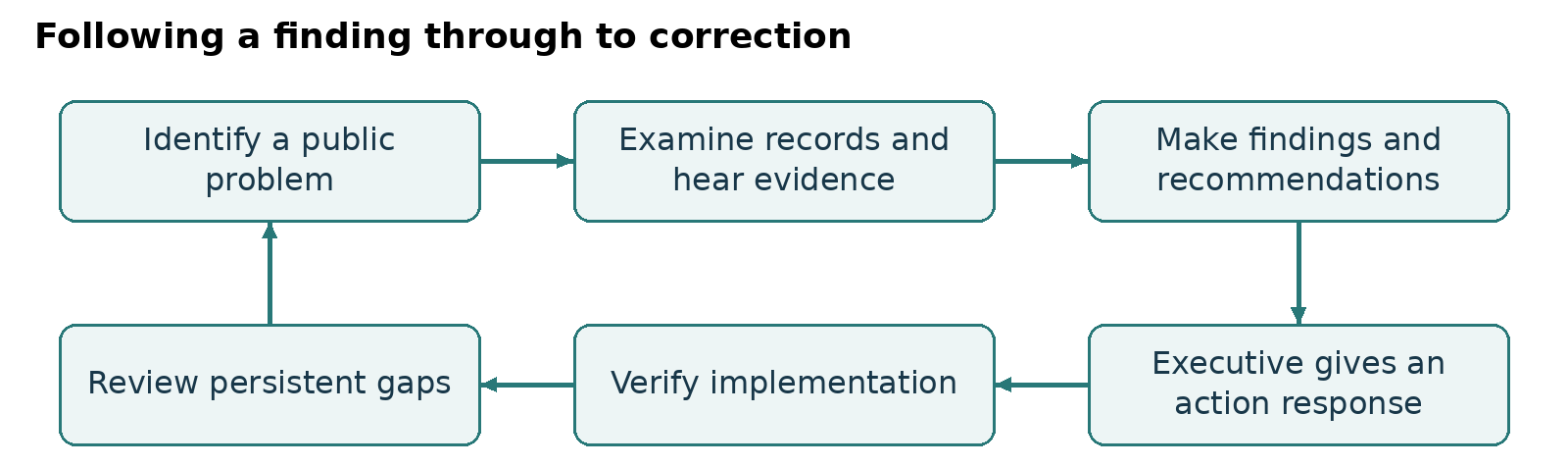
Figure 13 Following a finding through to correction
How can parliamentary scrutiny improve implementation without transferring executive responsibility to the legislature?
Answer direction. Explain authorisation, scrutiny and executive accountability. Use committee examination of a budget or bill, followed by recorded departmental action. Discuss why recommendations, operational authority and verification need distinct institutional homes.
Examine the tension between judicial independence and judicial accountability.
Answer direction. Explain the constitutional purposes of independence and review. Distinguish case management, appointment processes and integrity mechanisms. Evaluate reforms by access, impartiality and appropriate institutional responsibility.
Previous: Contemporary Indian Bureaucracy | Next: Central Matrix: State, Bureaucracy and Governance
📣 Join our community