Likert, Argyris and McGregor on Participative Management
Systems of management, immaturity–maturity and Theory X and Theory Y.
Paper I Unit 2 Administrative Thought. Read Follett alongside conflict and coordination, Barnard alongside formal and informal organisation, and participative management alongside Paper I Unit 3 Administrative Behaviour. These topics connect to Paper II Unit 8 Civil Services and Unit 7 District Administration since Independence.
| Thinker | Main problem | Mechanism of change | What to test |
|---|---|---|---|
| Rensis Likert | Low trust and weak upward communication under authoritarian management | Supportive relationships, group decisions and linking pins across overlapping groups | Can staff shape decisions and relay reliable information across levels |
| Chris Argyris | Rigid roles can keep adults dependent and passive | Expand responsibility, develop competence and create scope for initiative | Do jobs and supervision permit growth or reward dependence |
| Douglas McGregor | Managerial assumptions can reinforce the behaviour they anticipate | Design conditions in which self-direction and responsibility can operate | Do incentives, information and authority support responsible discretion |
Likert distinguishes exploitative-authoritative, benevolent-authoritative, consultative and participative-group systems. The shift concerns the distribution of trust, influence, communication and decision authority. A linking pin belongs to overlapping groups and connects decisions across levels. The role helps only when the person can convey concerns upward and clarify commitments downward. Consultation invites views, while participative arrangements give those views a defined effect on decisions.
Argyris contrasts tendencies towards passivity and dependence with the growth of independence, broader skills and a longer time perspective. Narrow jobs, close control and punitive responses to initiative can create an incongruence between individual development and formal structure. Staff may withdraw, adapt informally or become dependent on supervisors. Job enrichment and meaningful responsibility can help when staff have the support and competence required to exercise them.
Theory X and Theory Y concern managerial assumptions. Theory X assumes that work typically requires close direction and control. Theory Y allows that effort can be natural and that people can exercise self-direction when committed to objectives under appropriate conditions. These are assumptions about work and management, rather than permanent categories of employees. A manager may need strict authorisation controls for sensitive transactions and still give staff scope to diagnose errors and improve routines.
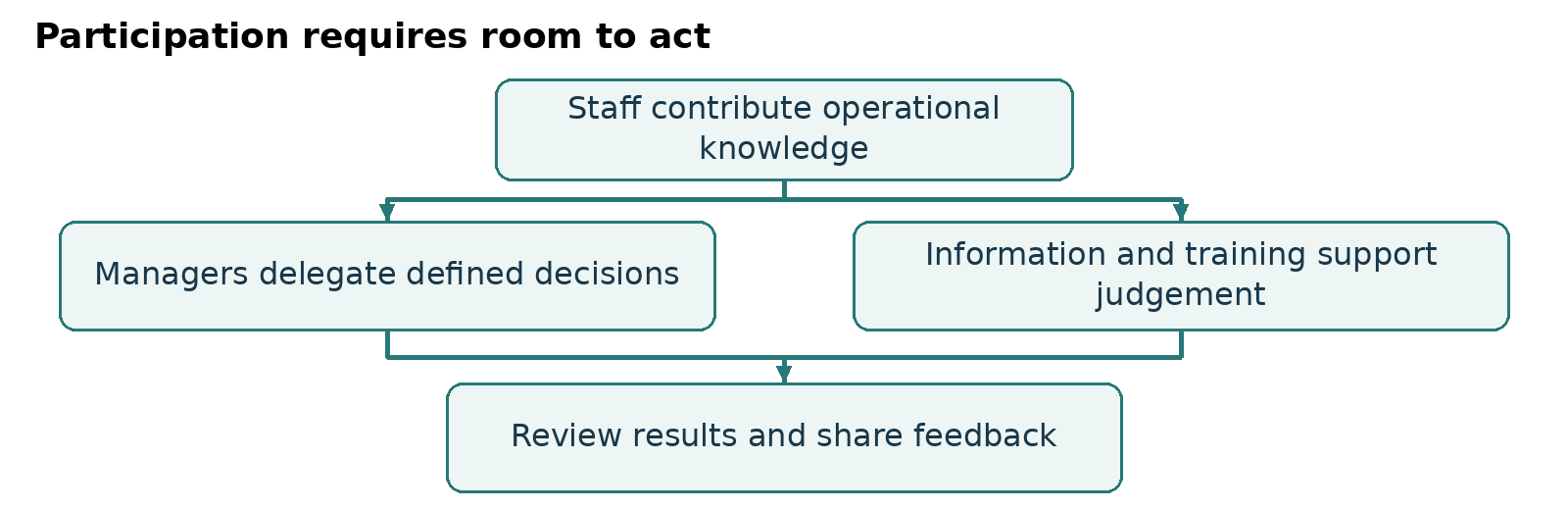
Figure 20 Participation requires room to act
A district office wants to reduce service delays. Under a consultative arrangement, staff identify problems and a supervisor chooses the response. A more participative arrangement gives a mixed team authority to pilot revised handoffs within set safeguards. Likert explains how group decisions and upward communication can work. Argyris asks whether the job offers enough responsibility for staff to learn. McGregor asks whether supervision assumes initiative is possible. Evaluate the pilot through service completion, error rates, worker feedback and the handling of difficult cases.
Can participative management strengthen accountability in a rule-bound organisation?
Answer direction. Distinguish decision authority from consultation. Compare the three thinkers and identify their different mechanisms. Apply them to a field office. Conclude by setting conditions for participation, including lawful delegation, access to information, recorded decisions and review.
Previous: Chester Barnard and the Functions of the Executive | Next: UPSC Mains Questions and Worked Answers
📣 Join our community