Chester Barnard and the Functions of the Executive
Cooperation, acceptance of authority, the zone of indifference, effectiveness and efficiency.
Paper I Unit 2 Administrative Thought. Read Follett alongside conflict and coordination, Barnard alongside formal and informal organisation, and participative management alongside Paper I Unit 3 Administrative Behaviour. These topics connect to Paper II Unit 8 Civil Services and Unit 7 District Administration since Independence.
Barnard’s The Functions of the Executive treats a formal organisation as a system of consciously coordinated activities. It depends on a common purpose, communication and willingness to contribute. An informal organisation can support the formal system through trust, cohesion and communication. It can also create loyalties or expectations that conflict with formal goals.
| Executive function | What the executive does | Field application |
|---|---|---|
| Maintain a system of communication | Design channels and secure people capable of carrying responsibility | Set clear reporting, escalation and feedback routes |
| Secure essential services from individuals | Recruit and sustain contributions through suitable incentives and cooperation | Match staffing, recognition, training and working conditions to operational needs |
| Formulate and define organisational purpose | Express the overall purpose through decisions at different levels | Translate a district relief objective into responsibilities and service standards |
Authority depends partly on whether a person accepts a communication as authoritative. The recipient must understand it, regard it as consistent with organisational purpose and compatible with personal interests taken as a whole, and be able to carry it out. The zone of indifference is the range of instructions accepted without deliberate questioning. Trust, incentives and a credible mandate can widen this range. Conflicting or infeasible orders can narrow it. In public service, acceptance describes behaviour. The legality of an order depends on lawful authority and remains open to appropriate review.
Barnard uses effectiveness for attainment of organisational purpose and efficiency for the satisfaction of individual motives sufficient to sustain cooperation. This technical use differs from efficiency as the ratio of outputs to inputs. A programme can deliver its target and still undermine future cooperation if it persistently exhausts staff. Conversely, high staff satisfaction does not establish that a service reached eligible citizens. The organisation must sustain both goal achievement and the contributions on which it depends.
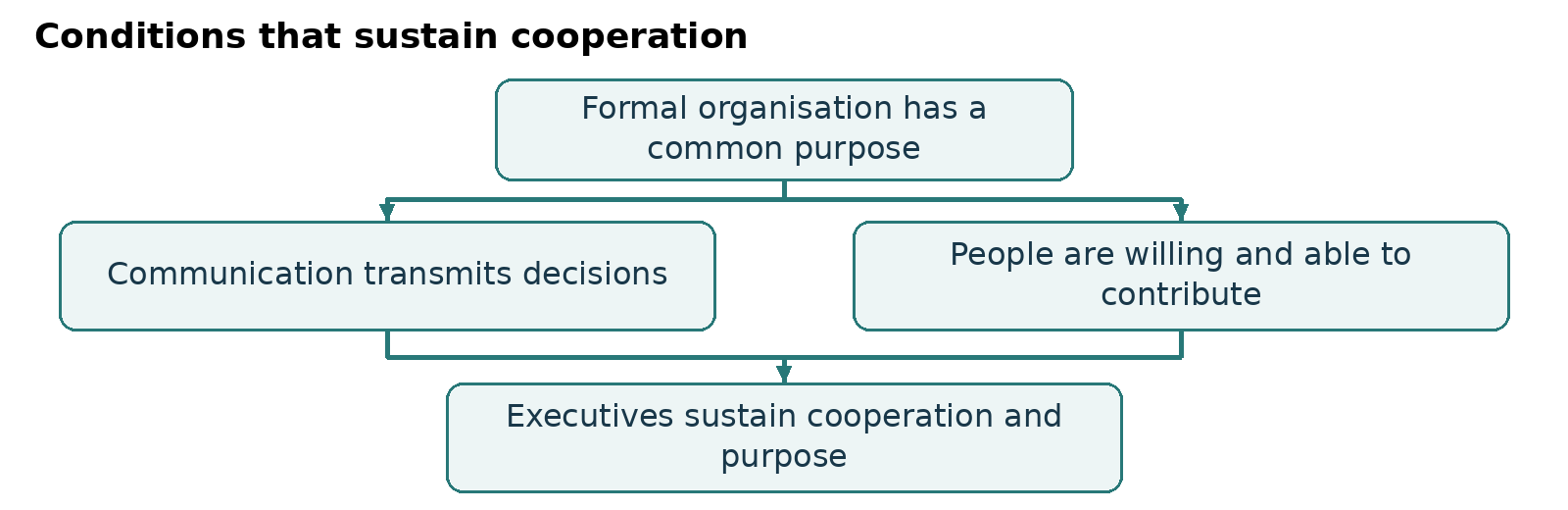
Figure 19 Conditions that sustain cooperation
Weber explains legitimacy and the office that is entitled to command. Barnard explains the conditions under which the communication is accepted and acted on. Simon examines how authority supplies premises for decisions. An order can be formally valid, accepted in practice and still lead to a poor decision if the underlying information is wrong.
Previous: Mary Parker Follett and Dynamic Administration | Next: Likert, Argyris and McGregor on Participative Management
📣 Join our community