Globalisation and Public Administration
How global integration changes administrative priorities, accountability and capacity.
Paper I Unit 1 Introduction, Unit 4 Organisations and Unit 8 Development Dynamics. Paper II Unit 3 Public Sector Undertakings, Unit 5 Plans and Priorities, Unit 12 Urban Local Government and Unit 14 Significant Issues in Indian Administration supply applications.
How External Changes Reach Domestic Administration
Globalisation describes denser cross-border flows of goods, capital, information, people and ideas. Liberalisation changes domestic restrictions on economic activity. Privatisation changes the ownership or control of an enterprise. These processes can interact. Their administrative consequences differ depending on the type of flow, sector and institutions involved.
Trade and investment bring opportunities for production and technological learning. They also expose firms and workers to adjustment costs. Cross-border financial flows increase the importance of prudential capacity and crisis management. Data networks enable remote services and expose agencies to new dependencies. Ideas about governance travel through professional networks, development finance, international organisations and imitation.
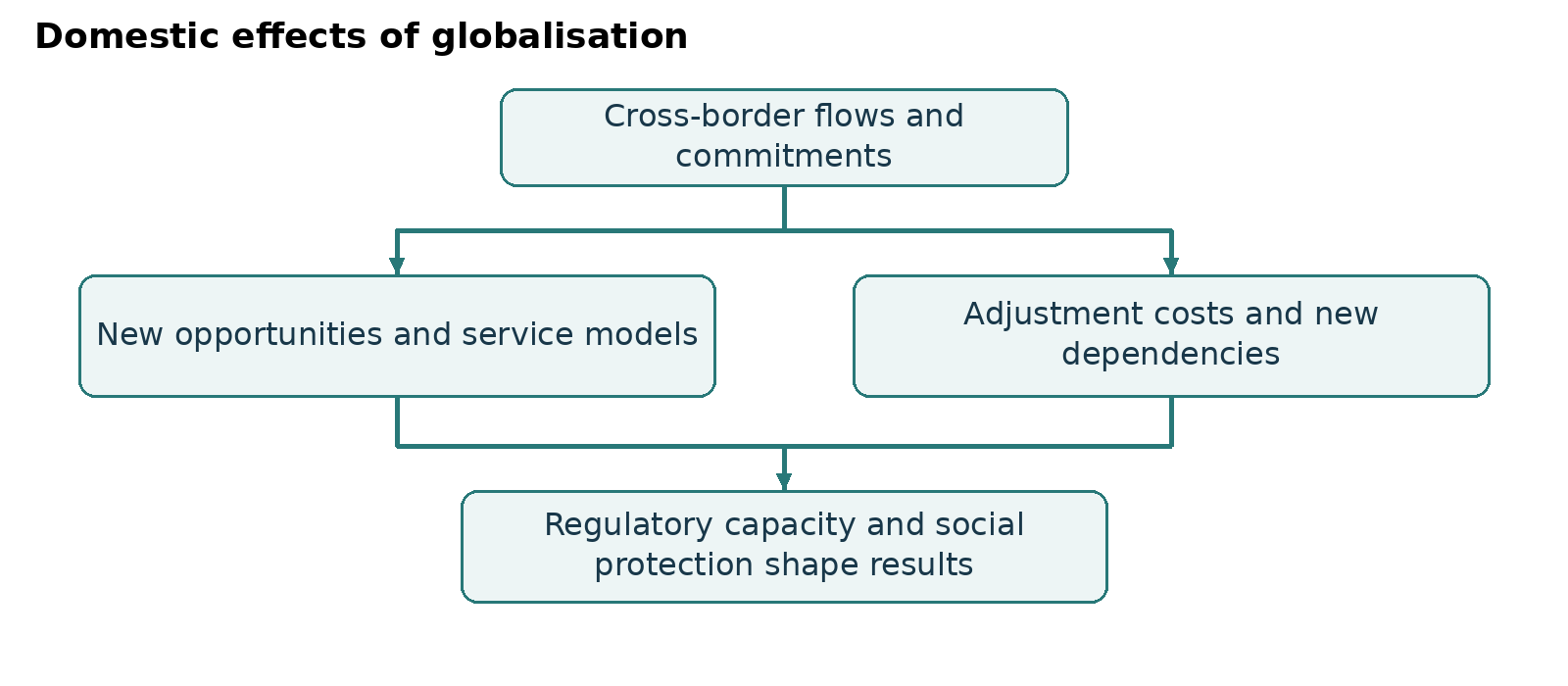
Figure 6 Domestic effects of globalisation
Reallocation of Public Functions
| Channel | New demand on administration | Distributional question |
|---|---|---|
| Trade and investment | Negotiate, regulate competition and help firms meet standards | Which firms and workers can adapt |
| Cross-border infrastructure and finance | Appraise risks, monitor contracts and manage contingent liabilities | Who absorbs losses when forecasts fail |
| Digital networks | Govern interoperability, security and data use | Who is excluded and who controls the infrastructure |
| Policy transfer | Assess whether borrowed practices fit domestic institutions | Which local conditions make the original model work |
| Transnational advocacy | Engage wider networks around labour, environment and rights | Whose concerns become visible internationally |
Globalisation changes the means through which sovereignty is exercised. International commitments can narrow particular policy choices, while cooperation can give governments more capacity to address cross-border problems. National authorities still decide how commitments are translated into domestic law and administration within the relevant legal framework. States with greater negotiating, analytical and regulatory capacity can use the same external opening more effectively.
Management reforms spread partly because governments sought efficiency and compared their performance with other countries. International organisations and lenders also circulated reform ideas. Similar labels can conceal different institutions. A regulatory model that works with reliable courts, skilled inspectors and good data may disappoint where those complements are weak. Comparative Public Administration supplies a useful ecological perspective here.
State Market and Civil Society
Market actors can supply investment, service expertise and innovation. The state defines enforceable obligations and retains responsibility for public purposes. Civic organisations contribute information, organise affected groups and monitor implementation. Partnerships can combine these strengths when authority and accountability are clear. A private contract can become hard to supervise when the provider controls the relevant data or the public authority lacks alternatives.
A public-private partnership allocates risks and responsibilities over time. A contract is stronger when each risk is borne by a party able to manage it. Construction risk may be assignable to a builder. Demand risk may depend on public planning choices and economic conditions that neither side fully controls. Unrealistic risk transfer can return later as renegotiation, service decline or a fiscal burden. Transparent obligations, independent verification and public remedies matter throughout the contract.
Civil society can widen debate about the consequences of trade, investment and development projects. Transnational networks can help local groups access expertise or visibility. They can also favour actors with better funding, language access or media reach. Administrative consultation should reach people bearing local costs even if they lack internationally connected organisations.
Developing Country Dilemmas and Global Justice
Developing countries can benefit from investment, exports and shared technology. Gains depend on infrastructure, education, access to finance and institutional quality. Regions or firms that already possess these assets may gain faster. Adjustment burdens can fall on workers and small producers. The state can address these effects through skills, social protection, credit access and enforcement of standards, while avoiding indefinite protection of inefficient incumbents.
Global accountability is difficult when decisions, implementation and costs lie in different jurisdictions. For example, a buyer may set production requirements in one country, an exporter contract with suppliers in another and workers bear workplace risks locally. An effective response identifies the duty holders, information channels and enforcement powers at each level. Voluntary reporting can improve visibility. Enforceable standards and accessible remedies determine whether reported problems are corrected.
A city contracts a technology provider to manage a mobility platform. The provider contributes expertise and infrastructure. The city needs access to operational data, continuity plans and a way to protect riders if the contract ends. A portability requirement and a transparent review process turn the discussion from technological adoption to public capacity and accountability.
Policy Transfer and Administrative Ecology
A reform can be borrowed through voluntary learning, political emulation or external incentives. To assess transfer, separate the instrument from the conditions that made it work. Competitive contracting presumes suppliers capable of entering and a purchaser capable of monitoring. Regulatory independence presumes a durable mandate, skilled staff and credible review. Importing the organisational label without these complements changes little.
Global problems can also generate pressure for local administrative experimentation. Cities may learn from international mobility or climate practices and adapt them to land use, finance and informal livelihoods. The resulting arrangement is shaped jointly by global flows and local institutions. Comparison across cities is informative when it examines those differences.
Does globalisation reduce state capacity or change the capacities the state requires?
Answer direction. Identify economic, technological and institutional channels. Explain the movement from direct provision towards mixed arrangements in selected sectors. Assess regulatory capacity, adjustment costs, federal variation and the reach of accountability.
Why do globally circulating administrative reforms produce different results in developing countries?
Answer direction. Use policy transfer and administrative ecology. Compare institutional complements, bargaining power and the distribution of adjustment costs. Apply to regulation or urban service contracting.
Previous: Bureaucracy in the Policy Process | Next: Challenges to Traditional Bureaucracy
📣 Join our community