Conflict Resolution
Types of conflict and the tools for negotiation, mediation and settlement.
Paper I Unit 2 Administrative Thought, Unit 3 Administrative Behaviour and Unit 4 Organisations. Paper II Unit 6 State Government and Administration, Unit 7 District Administration since Independence and Unit 13 Law and Order Administration.
Understanding Conflict
Conflict arises when interdependent actors perceive incompatible goals, claims or methods. Scarce resources, unclear jurisdiction, contested facts, status differences and competing values can all create conflict. A disagreement may reveal an organisational defect. Its consequences depend on the issue, power relations and how participants handle it.
Task conflict concerns what should be done. Process conflict concerns how work and responsibility should be allocated. Relationship conflict concerns personal hostility or distrust. A policy disagreement can become a relationship conflict when actors interpret criticism as a challenge to status. An administrator should identify the original issue and the way escalation has changed it.
| Level | Typical cause | Suitable starting point |
|---|---|---|
| Within a team | Workload, role ambiguity or professional disagreement | Clarify the task, evidence and decision rights |
| Between units | Shared resources, different targets or overlapping mandates | Map dependencies and establish a joint protocol |
| Between organisations | Divergent legal duties, funding or operating standards | Identify the competent coordinating authority |
| Between governments | Contested allocations or jurisdiction | Use intergovernmental mechanisms and applicable law |
| Community and state | Distributional harm, distrust or disputed rights | Protect participation, verify facts and establish a lawful remedy |
Follett and Constructive Conflict
Mary Parker Follett treated difference as a potential source of better solutions. Domination settles a conflict by one side imposing its preference. Compromise gives each side part of what it seeks through mutual concession. Integration looks for an arrangement that satisfies underlying interests through a different design. It becomes possible when participants distinguish positions from the needs that produced them.
Suppose one department wants exclusive use of a facility and another makes the same claim. The positions conflict. If one needs daytime access and the other needs specialised equipment at night, redesigning the schedule can meet both interests. If both need the same space at the same time and no alternative exists, a reasoned allocation or compromise may be necessary. Integration requires creativity and information. It cannot remove genuine scarcity by itself.
Follett’s law of the situation directs attention to the requirements of the shared task. Authority should respond to the facts and demands of the situation. Her idea of power with emphasises jointly developed capacity. These ideas help administrators build cooperation while still identifying who holds formal decision authority.
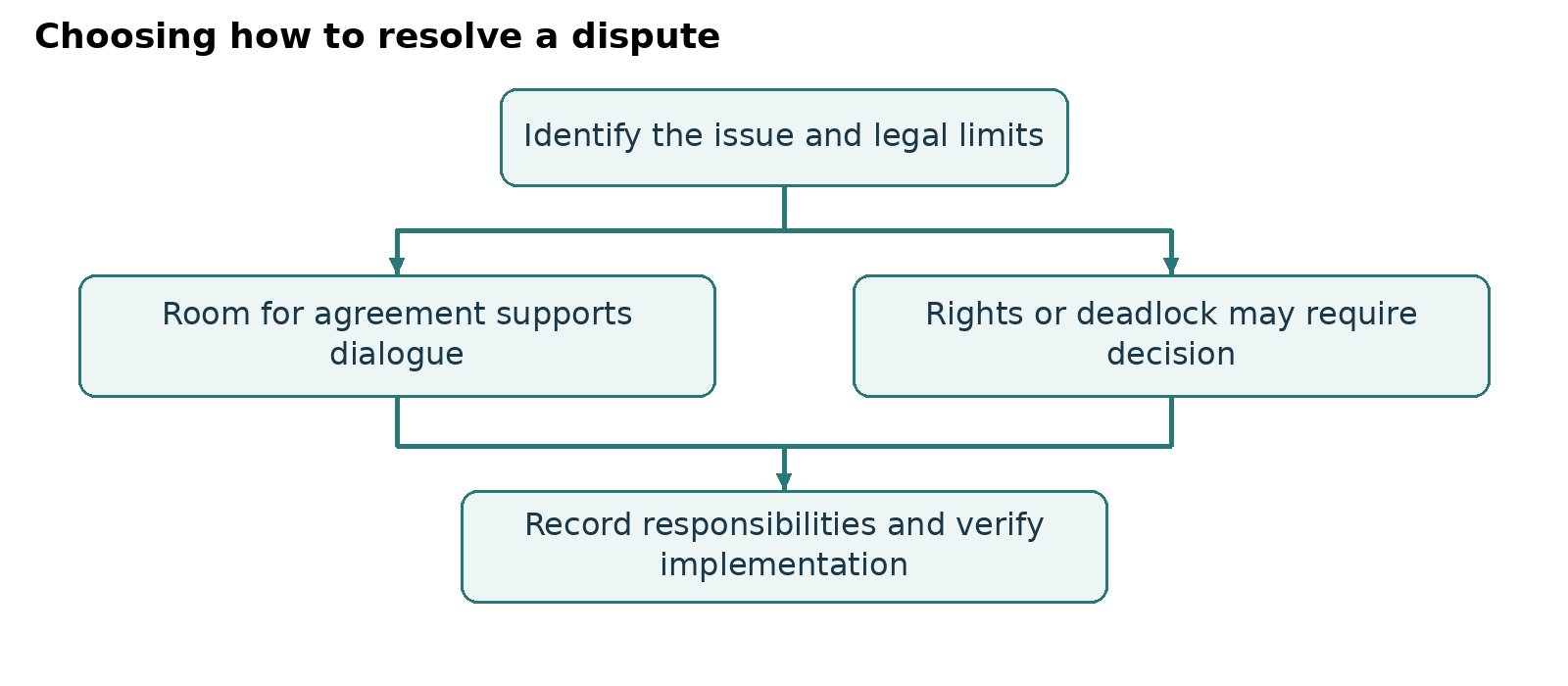
Figure 15 Choosing how to resolve a dispute
Selecting a Resolution Method
| Method | How it works | Appropriate use | Constraint |
|---|---|---|---|
| Negotiation | Parties exchange information and seek agreement | They have authority to settle and room to trade | Unequal bargaining power can produce unfair terms |
| Mediation | A neutral third party facilitates dialogue | Communication has broken down but agreement remains possible | Parties need a safe and meaningful ability to participate |
| Conciliation | A third party assists settlement and may suggest terms depending on the framework | Parties need more active help exploring options | The exact role depends on the governing procedure |
| Arbitration | An arbitral tribunal decides the dispute under an applicable framework | Parties need a determination and the dispute is arbitrable | Legal limits, cost and review vary by framework |
| Adjudication | A court or competent authority gives a legal determination | Rights, legality or authoritative remedies require decision | Formal processes can require time, resources and enforcement |
Conflict management contains harmful escalation. Resolution addresses the immediate dispute. Conflict transformation examines the relationships and institutions that reproduce disputes. A district officer can manage a protest through safe communication, facilitate agreement on an immediate grievance and later review whether recurring delays reflect a structural problem. The three levels can require different actors and time horizons.
Organisational and Intergovernmental Conflict
Within an organisation, recurrent disputes often indicate an incentive or design problem. A department that rewards speed and an audit unit that rewards error detection may disagree over checks. The solution begins with shared evidence on error rates, delays and legal requirements. A risk-based division of work can preserve intensive review where necessary and streamline routine cases.
Joint consultative arrangements can give staff and management a regular forum to address common issues. Such consultation can reduce the cost of discovering grievances and support negotiated changes. Individual disciplinary cases and legal rights still require the relevant formal process. At the interdepartmental level, joint teams need common data definitions, an escalation route and an authority empowered to settle unresolved differences.
Intergovernmental disputes can concern resources, boundaries of responsibility and fiscal burdens. Technical assessment can clarify facts. Political negotiation can identify acceptable allocations. Constitutional and statutory mechanisms provide procedures for disputes that cannot be settled voluntarily. An answer should distinguish the function of intergovernmental consultation from the function of binding legal determination.
Public Conflict and Durable Settlement
A dispute over water allocation or relocation involves livelihoods, rights, evidence and trust. Start by identifying affected groups, their representatives and the legal limits on settlement. Establish a shared factual record where possible. Consider interim arrangements to prevent harm while deliberation proceeds. Create space for groups whose voices may be weak or whose interests differ from those of formal representatives.
A settlement needs a responsible authority, a timeline, resources and verification. A promise without implementation can deepen distrust. Record the reasons for the outcome and the route to review. Where public rights or unequal bargaining power are central, legal safeguards and independent oversight matter alongside dialogue. An administrator can facilitate discussion while preserving the ability to enforce lawful duties.
Two departments dispute who should correct failed benefit payments. One controls eligibility data, the other authorises transfers and a bank returns transaction status. Establish a common definition of failure and locate where records diverge. Assign a lead agency and define correction duties at each interface. Track successful receipt after correction. The arrangement addresses both the immediate dispute and the process that generated it.
Escalation Diagnosis and Institutional Learning
Escalation often changes both the issues and the actors. A technical disagreement can turn into a conflict over trust after repeated delays. As commitments harden, parties may defend public positions even when room for agreement exists. Separate meetings, jointly accepted facts and a limited interim arrangement can reopen options. A decision may still be required to protect rights or prevent harm.
After settlement, examine whether the process has changed. If departments return to the same incompatible targets and unclear handoffs, the dispute will recur. Joint review should identify the trigger, the point at which communication failed and the rule or resource that needs adjustment. This makes conflict a source of administrative learning.
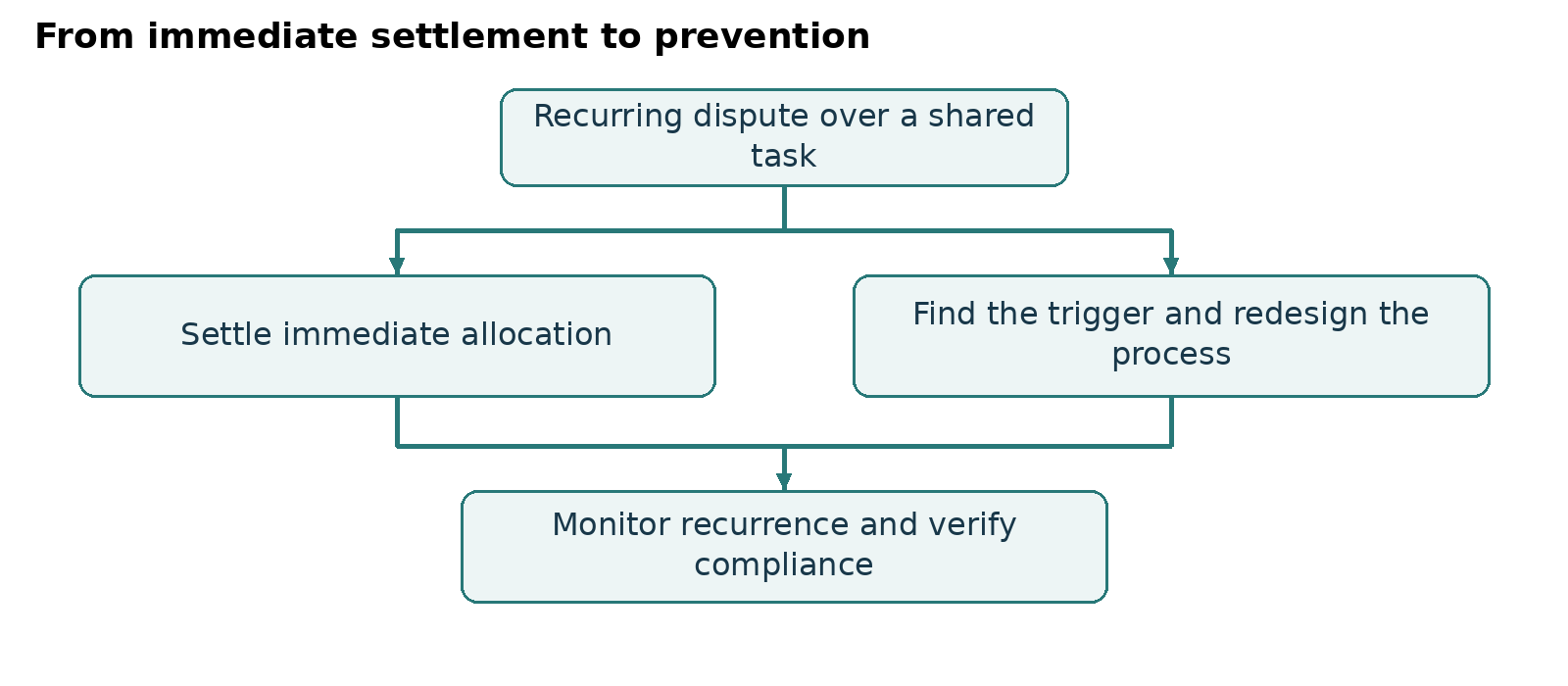
Figure 16 From immediate settlement to prevention
Apply Follett’s idea of integration to an interdepartmental conflict and discuss its limits.
Answer direction. Distinguish positions from interests. Use an example involving a shared resource or workflow. Explain how redesign can satisfy competing purposes and where scarcity, legal duties or power imbalance require authoritative decision and review.
Distinguish conflict management, resolution and transformation using a district-level example.
Answer direction. Use an immediate harm-reduction step, a remedy for the dispute and a structural change that addresses recurrence. Identify the responsible authority and verification at each level.
A Worked Conflict Resolution Argument
A municipality and a road authority both schedule excavation on the same route. The municipality wants to repair an unsafe water main. The road authority wants to complete resurfacing within its contract period. Domination would let one authority impose its schedule. A compromise could split the available work window, possibly leaving both projects inefficient. Integration would begin with a joint survey, identify the sections where the water repair must come first and sequence resurfacing behind the completed repairs.
The joint schedule needs an authority to approve contract changes, traffic arrangements and a protocol for unexpected delays. Publish diversion information and verify restoration before closing the case. The immediate settlement concerns timing. A shared works calendar and advance notice procedure address the structural cause of repeated excavation conflicts.
Previous: Civil Society Organisations | Next: Central Matrix: State, Bureaucracy and Governance
📣 Join our community